Professional development for every member of your aged care team.
ESP Education is Endeavour Speech Pathology's education platform for aged care facilities. It delivers monthly themed training, evidence-based modules, core programs, and compliance tracking.
How to identify the difference and best practice.
How respiration complication can affects swallowing and how to support eating and drinking comfort and care.
Indepth look at all the indicators that may indicate a resident with swallowing difficulties. What are the signs? Problem solving straties.
Best Practice for swallowing medication and strategies.
Everything a facility needs to run compliant, clinical training.
Purpose-built for aged care operations — not a generic LMS. Each layer maps to a role your facility already runs.
Clinical modules
Video, markdown training notes, isometric visual protocols, and reference guidelines — authored by speech pathologists.
100% compliance quizzes
Every question must be correct. Incorrect answers highlighted for staff to review and re-attempt — no shortcuts, full understanding.
Structured learning pathways
Curated module sequences guide staff from onboarding through advanced clinical skills — with progress saved automatically.
Multi-tenant by facility
Facility admins see only their staff. Row-level security guarantees each site's data stays isolated end-to-end.
QA & progress tracking
Attempt review, compliance matrices, and per-staff progress — audit-ready evidence in one place.
Ask an expert
Staff Q&A with an AI study assistant, curated FAQ, and escalation to the ESP clinical team when it matters.
Specialised training for every team in your facility
ESP Education supports the people who support residents every day — with role-specific skills that improve safety, compliance, and confidence.
Care Team
Ongoing support for staff working with residents who have swallowing and communication difficulties.
Catering Team
Training to support IDDSI compliance and creative meal development for safer, enjoyable dining.
Champions
In-depth education and training to improve facility compliance and support a culture of safe practice.
Clinical content that carers can use.
Short modules, always available online for new staff and review. Designed for self-learning and one-on-one sessions with your clinical speech pathologist.
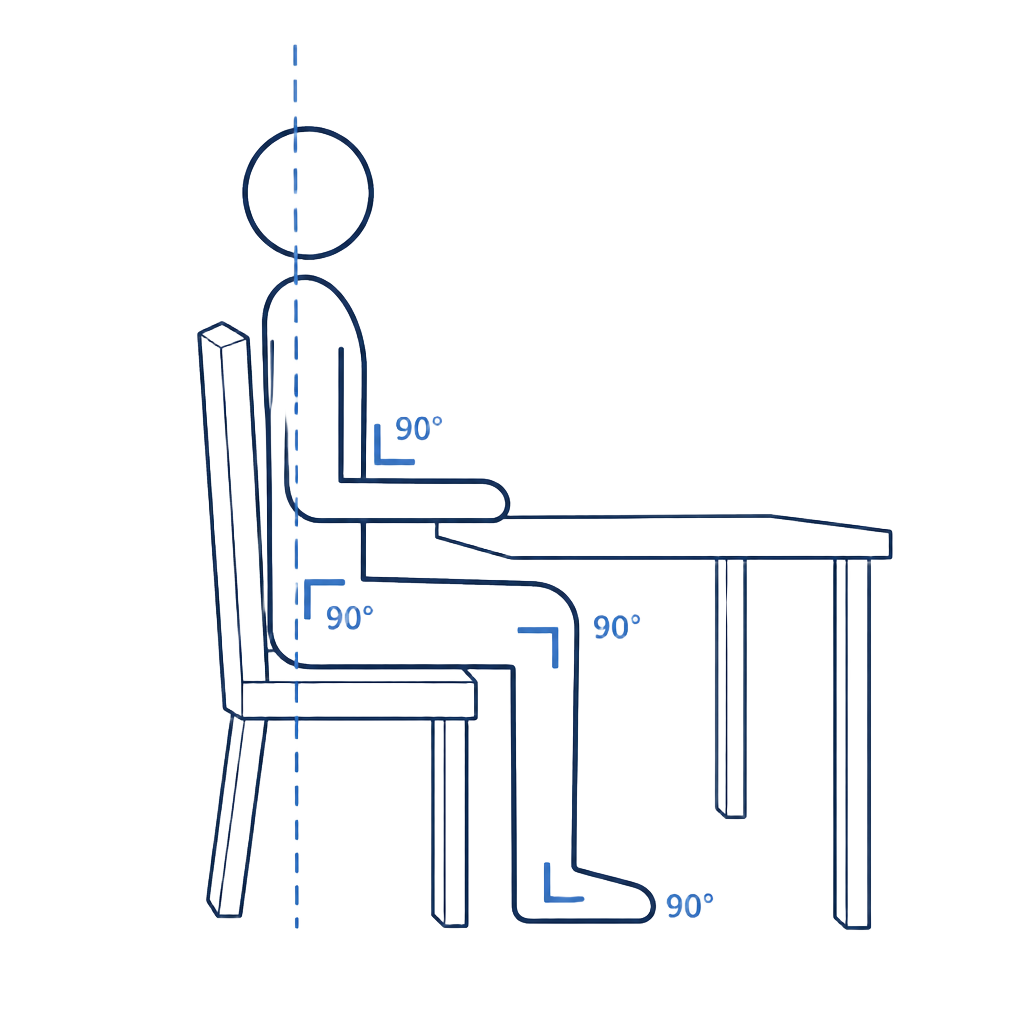
Clinical Positioning & Vigilance
Upright posture, 30-minute post-meal vigilance, and biomechanical foundations for safe oral intake.
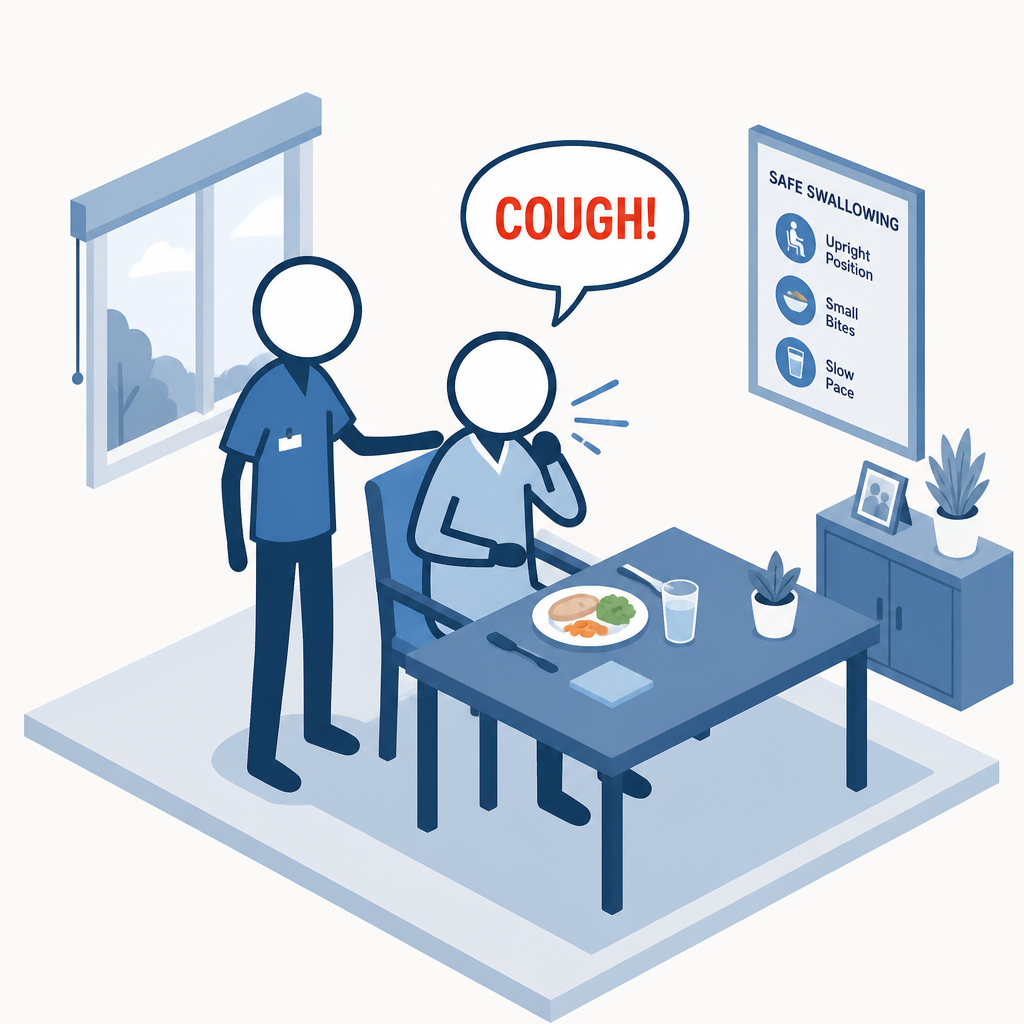
Recognising Aspiration
Identify overt and silent aspiration signs. Escalation pathways for wet voice, coughing, and delayed responses.
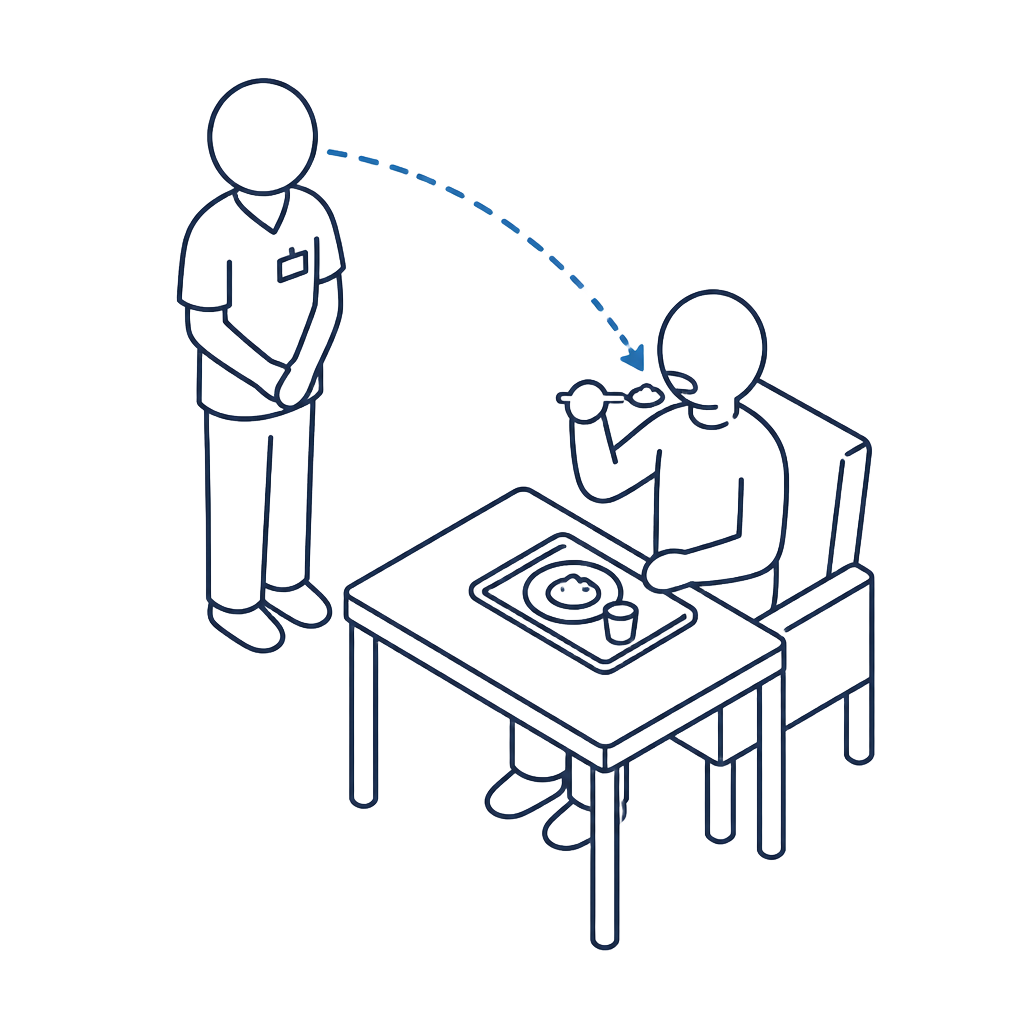
Alertness & Presentation
Assess staff-facing alertness cues before every meal — the first line of defence against aspiration events.
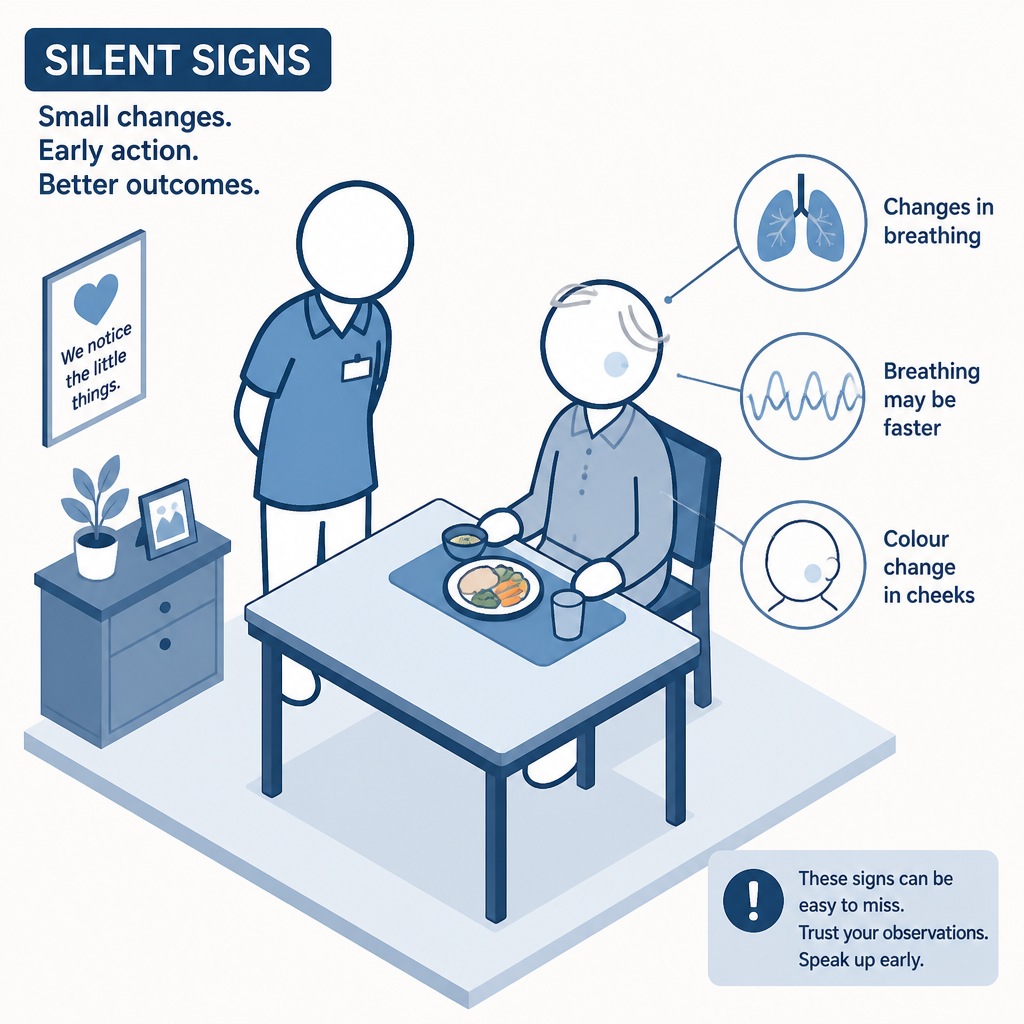
Silent Aspiration Signs
Post-meal wet voice, low-grade fever, subtle desaturation — the signs that don't announce themselves.
A rhythm your facility can plan around.
Training shouldn't be a one-off induction that fades in six weeks. ESP Education releases a new clinical theme every month — so care teams keep sharpening the skills that matter, and new starters step into content their peers already know.
- Monthly themed release — planned 12 months ahead for facility scheduling.
- Standard modules stay available year-round for onboarding and refreshers.
- Deep-linked lock banners tell staff exactly when a module unlocks.
- Annual refresh cycle keeps clinical practice audit-ready.